Mastering the American Flag Thin Grey Line Tumbler Design for Professional Sublimation
The intersection of patriotic symbolism and professional tribute has created a unique niche in the custom merchandise market. At the center of this trend is the American Flag Thin Grey Line Tumbler, a design that honors law enforcement, corrections officers, and other public safety professionals who operate behind the scenes or in specialized capacities. For creators, designers, and small business owners, understanding how to effectively utilize high-resolution digital assets for this specific aesthetic is crucial. The quality of the final product depends heavily on the source file, the preparation process, and the technical knowledge applied during the sublimation transfer.
This guide explores the practical application of premium digital designs, specifically focusing on seamless wraps suitable for 20oz skinny tumblers. By examining the technical specifications, software requirements, and material considerations, we can better understand how to transform a digital PNG file into a durable, high-quality physical product.
Understanding the Symbolism and Market Appeal
The "Thin Grey Line" is a powerful symbol representing the men and women who work in corrections, detention, and dispatch roles. When integrated into an American flag design, it creates a visually striking contrast against the traditional red, white, and blue. This combination appeals to a broad audience, including family members of service personnel, colleagues, and supporters of public safety institutions. The demand for such items extends beyond simple novelty; these are often purchased as meaningful gifts for retirement, promotion, or awareness campaigns.
For businesses offering custom printing services, providing a design that respects this symbolism while maintaining artistic integrity is essential. A grunge-style American flag adds texture and depth, moving away from flat, cartoonish representations to something that feels rugged and authentic. This aesthetic aligns well with the durable nature of stainless steel tumblers, which are designed for daily use in demanding environments.
Technical Specifications of High-Resolution Digital Assets
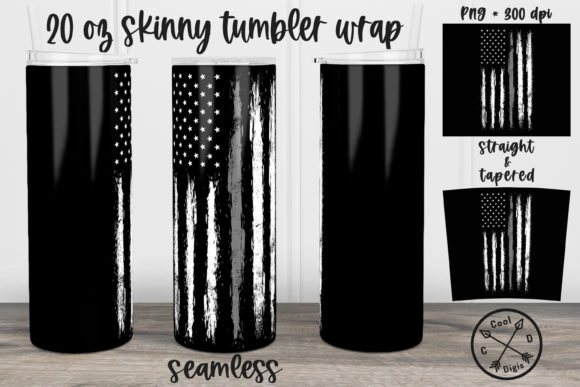
The foundation of any successful sublimation project is the quality of the digital file. A superior design package typically includes multiple formats to accommodate different printing needs. In the context of tumbler wraps, the most critical files are high-resolution PNGs with transparent backgrounds. These files allow for precise placement and ensure that no unwanted white boxes or artifacts appear around the design elements.
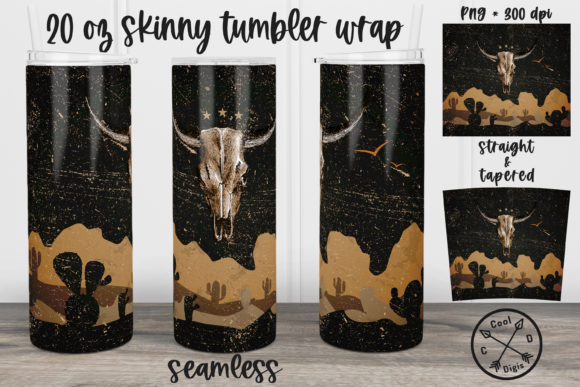
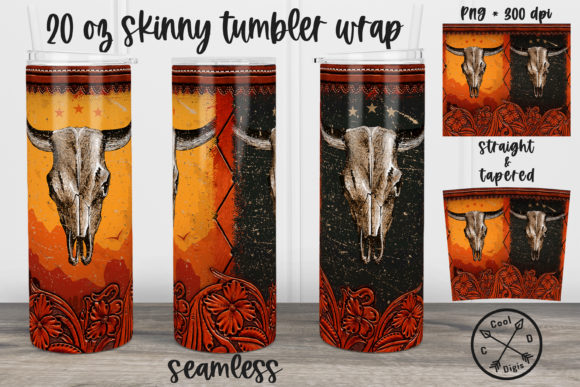
A standard professional collection often includes two primary variations: a straight wrap and a tapered wrap. Both are usually sized at approximately 9.3 inches by 8.2 inches, optimized for the surface area of a standard 20oz skinny tumbler. The resolution must be at least 300 DPI (dots per inch) in RGB color mode. This high density ensures that when the image is printed and transferred, the edges remain crisp, and the details of the grunge texture are visible rather than pixelated.
- Straight Wrap: Designed for cylindrical tumblers with uniform diameter from top to bottom.
- Tapered Wrap: Adjusted for tumblers that narrow slightly towards the base, preventing distortion of the flag’s stars and stripes.
- File Format: PNG files within a ZIP folder for easy download and organization.
- Color Profile: RGB, which is standard for digital displays and most sublimation printers, though color management is key.
It is important to note that while these dimensions are ideal for 20oz tumblers, the large size and high resolution allow for resizing. Creators can scale the design down for smaller items like keychains or coasters, or adapt it for other surfaces without significant loss in quality. However, upscaling beyond the original resolution is not recommended, as it can lead to blurriness.
Software and Workflow Requirements
Prior knowledge of sublimation and graphic design software is necessary to achieve professional results. The digital download provides the raw asset, but the creator must prepare the file for printing. This involves using software such as Adobe Photoshop, Adobe Illustrator, CorelDraw, PaintShop Pro, Inkscape, or GIMP. Each of these programs offers tools for adjusting canvas size, mirroring images, and managing color profiles.
The workflow generally begins with importing the PNG file into the chosen software. Since the design is intended for sublimation, the image must be mirrored horizontally before printing. This step is critical because the transfer process flips the image back to its correct orientation when heat and pressure are applied. Failure to mirror the design will result in reversed text and incorrect placement of the flag’s canton (the blue field with stars).
Additionally, creators should be comfortable with layer management. If the design includes separate elements, such as a distinct grey line overlay, keeping these on separate layers can allow for minor adjustments to opacity or positioning. This flexibility is particularly useful when working with different tumbler brands, as slight variations in manufacturing dimensions may require fine-tuning the alignment.
Material Considerations and Substrate Compatibility
While the primary focus is often on tumblers, the versatility of a high-resolution PNG allows for broader creative applications. The same American Flag Thin Grey Line design can be adapted for t-shirts, textile printing, web backgrounds, and gift wrap. However, each substrate requires specific handling.
For textile printing, the design may need to be converted to CMYK color mode depending on the printer used, and the fabric composition must be considered. Sublimation works best on polyester or polymer-coated materials. Cotton t-shirts, for example, will not hold sublimation ink effectively without a special coating or transfer paper intermediary. For hard substrates like tumblers, the item must have a polymer coating specifically designed for sublimation. Standard stainless steel or ceramic without this coating will not accept the ink, resulting in a faint or non-existent image.
When using the design for web backgrounds or digital media, the RGB color profile is ideal. The grunge texture adds visual interest without overwhelming the content placed over it. For gift wrap, the seamless nature of the design allows for tiling, creating a continuous pattern that covers large areas without visible seams.
Color Accuracy and Environmental Factors
One of the most challenging aspects of digital printing is color consistency. Colors may vary significantly from screen to screen, printer to printer, and depending on the inks and substrates used. Monitor calibration plays a significant role in what the designer sees versus what is printed. A design that appears vibrant and saturated on a high-end gaming monitor may look duller on a standard office display.
Furthermore, the type of sublimation ink and paper used can affect the final outcome. High-quality dye-sublimation inks tend to produce more vivid colors and better longevity. The temperature and time settings on the heat press also influence color saturation. Over-pressing can cause colors to burn or shift, while under-pressing may result in a washed-out appearance. It is advisable for creators to perform test prints on scrap materials to dial in their specific equipment settings before committing to a final product.
Environmental factors such as humidity can also impact the printing process. High humidity can cause sublimation paper to absorb moisture, leading to ghosting or blurry transfers. Storing papers in a dry environment and using fresh materials helps mitigate these issues.
Expanding Creative Possibilities Beyond Tumblers
The utility of a well-crafted digital design extends far beyond the initial intended use. While the American Flag Thin Grey Line Tumbler wrap is a popular product, the same asset can be leveraged for diverse revenue streams. For educators and researchers studying symbolic communication, these designs offer case studies in how color and texture convey respect and solidarity. For hobbyists, the project provides an excellent opportunity to learn about heat transfer techniques and graphic manipulation.
Business owners can bundle these designs with other complementary assets to create themed collections. For instance, combining the grey line flag with matching coaster designs, mouse pads, or laptop skins creates a cohesive brand experience for customers. The high resolution ensures that even when applied to larger surfaces like mouse pads, the details remain sharp and professional.
Moreover, the grunge aesthetic lends itself well to seasonal promotions or special events. The rugged look complements outdoor gear and tactical accessories, expanding the potential customer base to include enthusiasts of hiking, camping, and survivalism who also wish to show support for public safety professionals.
Best Practices for Long-Term Durability
To ensure the longevity of the printed design, proper care instructions should be communicated to the end-user. Sublimated items are generally durable, but they are not indestructible. Hand washing is recommended for tumblers to preserve the vibrancy of the colors and the integrity of the polymer coating. Dishwashers, particularly those with high-heat drying cycles, can gradually degrade the image over time.
Avoiding abrasive cleaners and scouring pads is also crucial. Soft sponges and mild detergents are sufficient for cleaning. For items exposed to direct sunlight for extended periods, such as car decals or outdoor signage, UV-resistant coatings can help prevent fading. While sublimation ink is known for its resistance to fading compared to other printing methods, prolonged exposure to intense UV rays can still have an effect.
By adhering to these best practices, creators can ensure that their products not only look impressive upon purchase but continue to serve as lasting tributes to the individuals they honor. The combination of a meaningful design, high-quality digital assets, and proper technical execution results in a product that resonates with consumers on both an emotional and functional level.